
Looking back two years, an opportunity arose to propose the idea of arranging art courses for the Tsiohai community with Teacher Martin Gutjahr. Given his profound artistic background and scholarship, Teacher Martin was in high demand with numerous invitations. After continuous communication and coordination, that dream finally came true this spring: an “Artistic Educational Imagery Workshop” spanning Grades 1 to 12 was hosted for the Tsiohai community, alongside a dedicated four-week art course arranged for Tsiohai high school students and faculty.
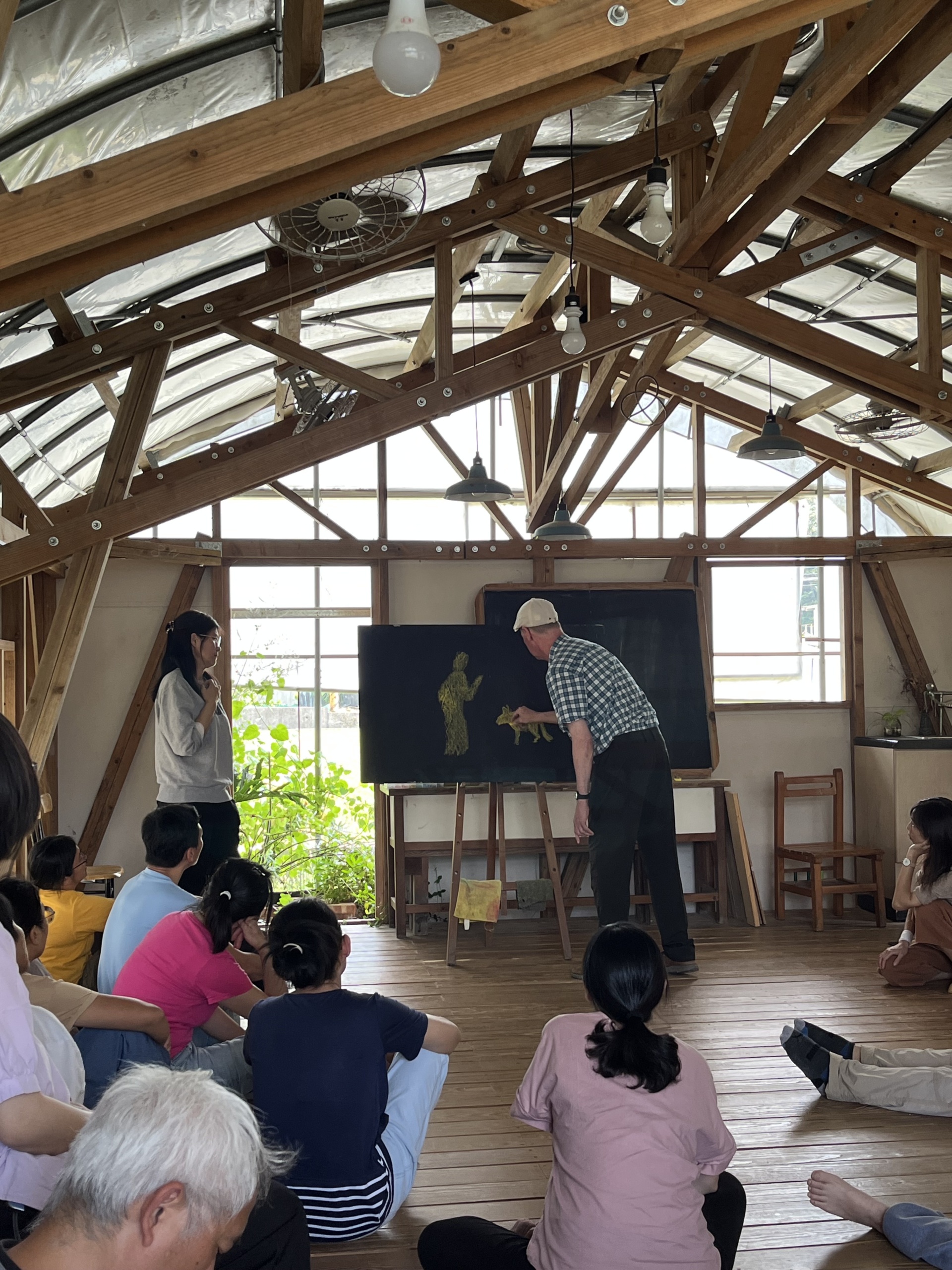
The journey from the initial invitation to the actual commencement of the course spanned two full years, during which human affairs and circumstances shifted considerably from when the offer was first made. As the course approached during the winter break before the term, difficulties and challenges surfaced one after another.
Tsiohai currently faces a shortage of classroom space, making it impossible to support five different classes running concurrently during the art period. The diverse age groups and student compositions, combined with the varying artistic media required, posed significant challenges to the flow and spatial logistics of the curriculum. For Teacher Martin—who was encountering the Tsiohai community for the first time, held rigorous standards, and firmly maintained quality—this presented no small test. Teacher Martin repeatedly refined and adjusted the curriculum plan, while those of us responsible for preparing materials had to constantly correspond via email to verify details in response to his guidance; everything was only finalized a week before classes began.
Yet, Tsiohai is a community blessed by many. It is supported by a group of kind and devoted parents. Through a parent’s introduction, we successfully borrowed space at the nearby Sansheng Temple—providing ample room to accommodate students and store artwork. Thanks to the parents’ warmth, comfortable accommodation and thoughtful meals were also arranged for Teacher Martin. Although difficulties and obstacles were inevitable, the team did not back down, and solutions and helping hands arrived in due course. So many wonderful people, events, and resources came together unselfishly to bring about a beautiful four weeks!
The practical teaching during this period included a joint Art History main lesson for Grades 9 and 10, alongside dedicated artistic training sessions for Grades 11 and 12 respectively.
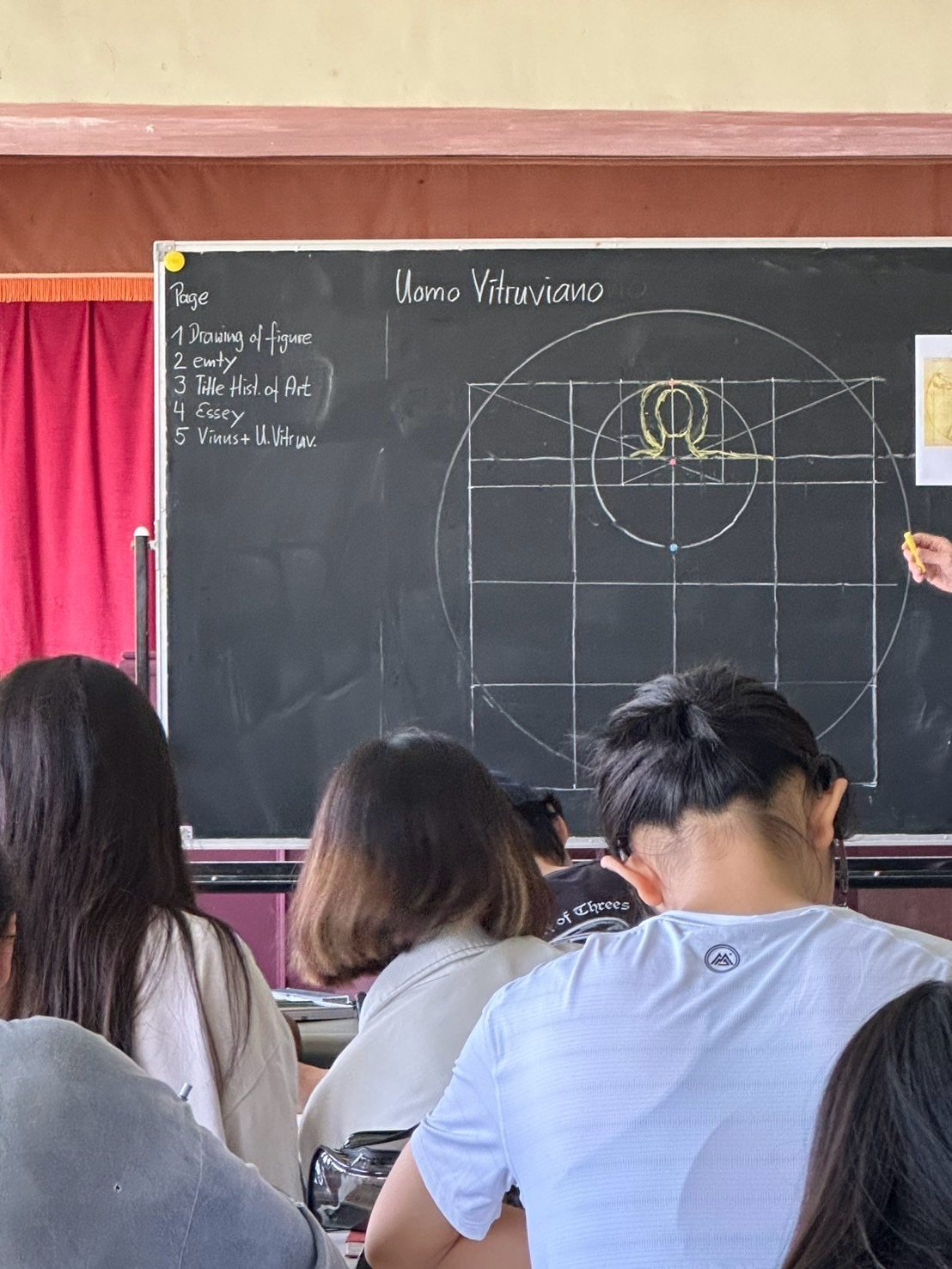
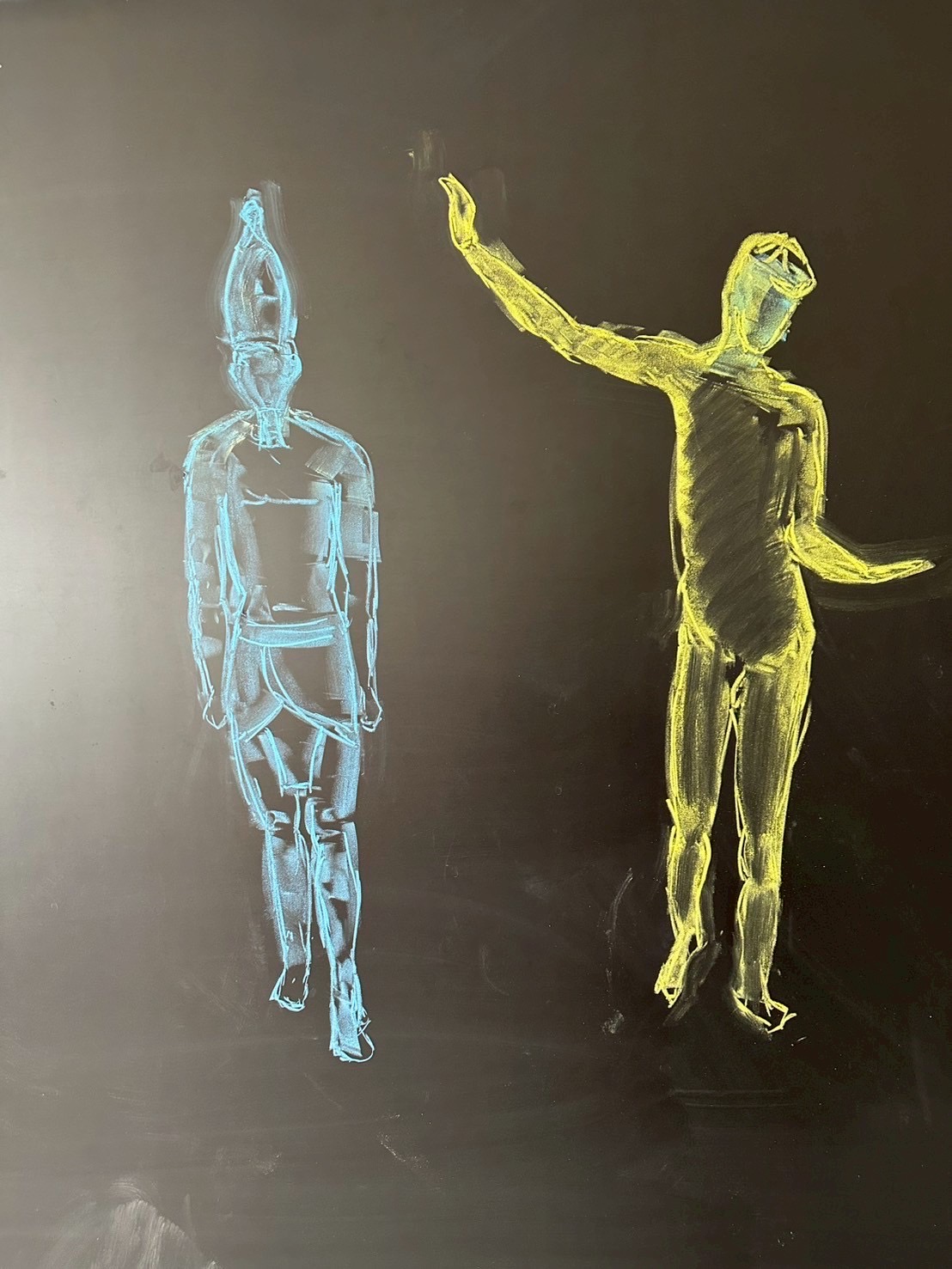
At the start of Art History, we first observed the body proportions of modern humans (with heartfelt thanks to Teacher Ah-K, who volunteered to be observed by everyone). Beginning with the ancient cave art of antiquity, we then observed the most ancient, rounded Venus figurine, contrasting it with Leonardo da Vinci’s Vitruvian Man. Later, we explored the fixed, rigid stance of the Egyptian Statue of Menkaure compared with the free, independent posture of the Greek Marathon Boy. The sculpture observation concluded in the Roman period with the bust of Brutus, who assassinated Julius Caesar. The outward thread of Art History was closely tied to the evolution of human body proportions. The external manifestation reflected the focus of “humanity” in that era, while the internal essence was human consciousness itself. As time progressed, human consciousness underwent a transformation: from a state of oneness with the cosmos, humanity gradually became aware of the “self” and ultimately grew capable of expressing “individual ego.”
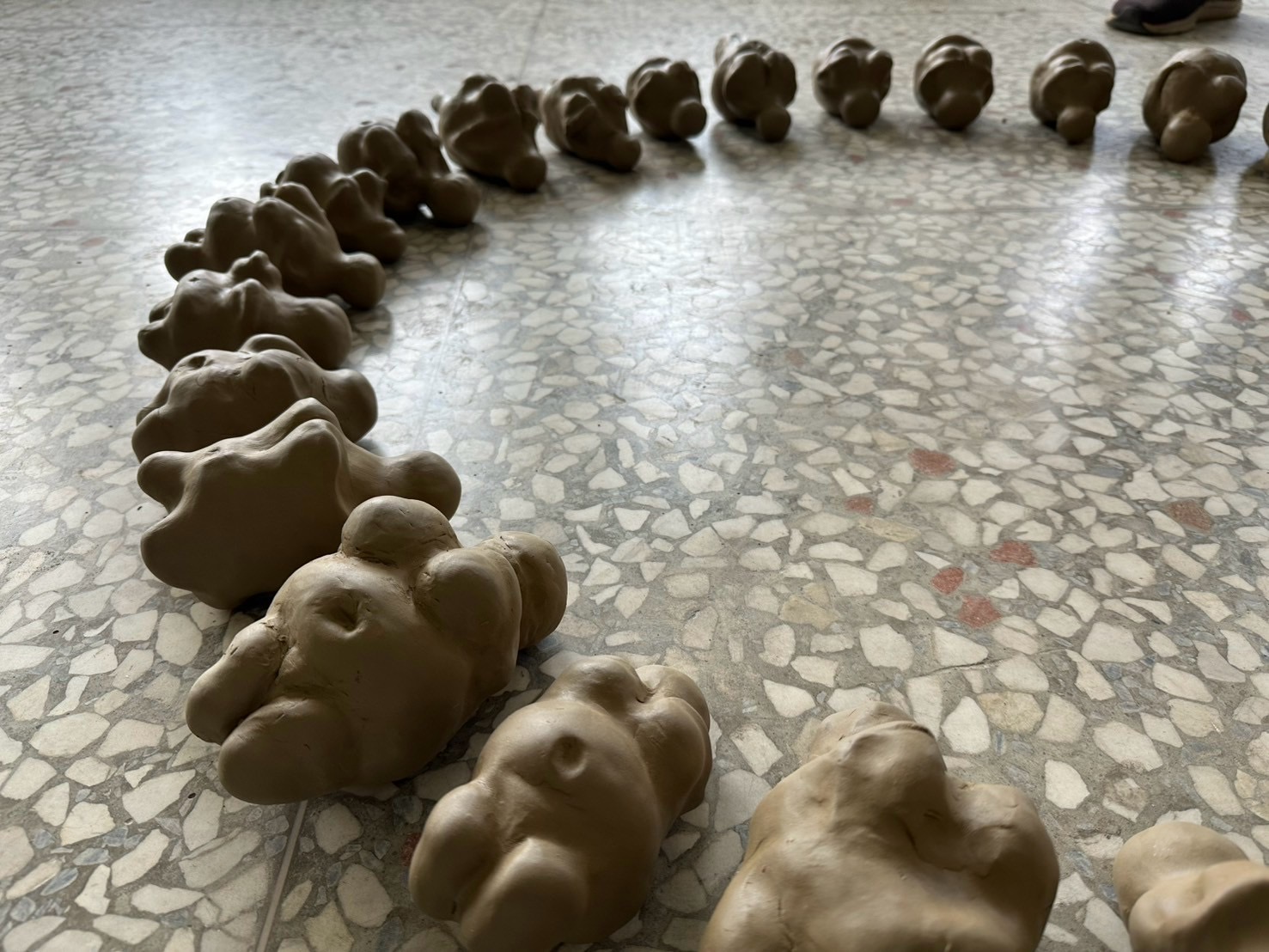
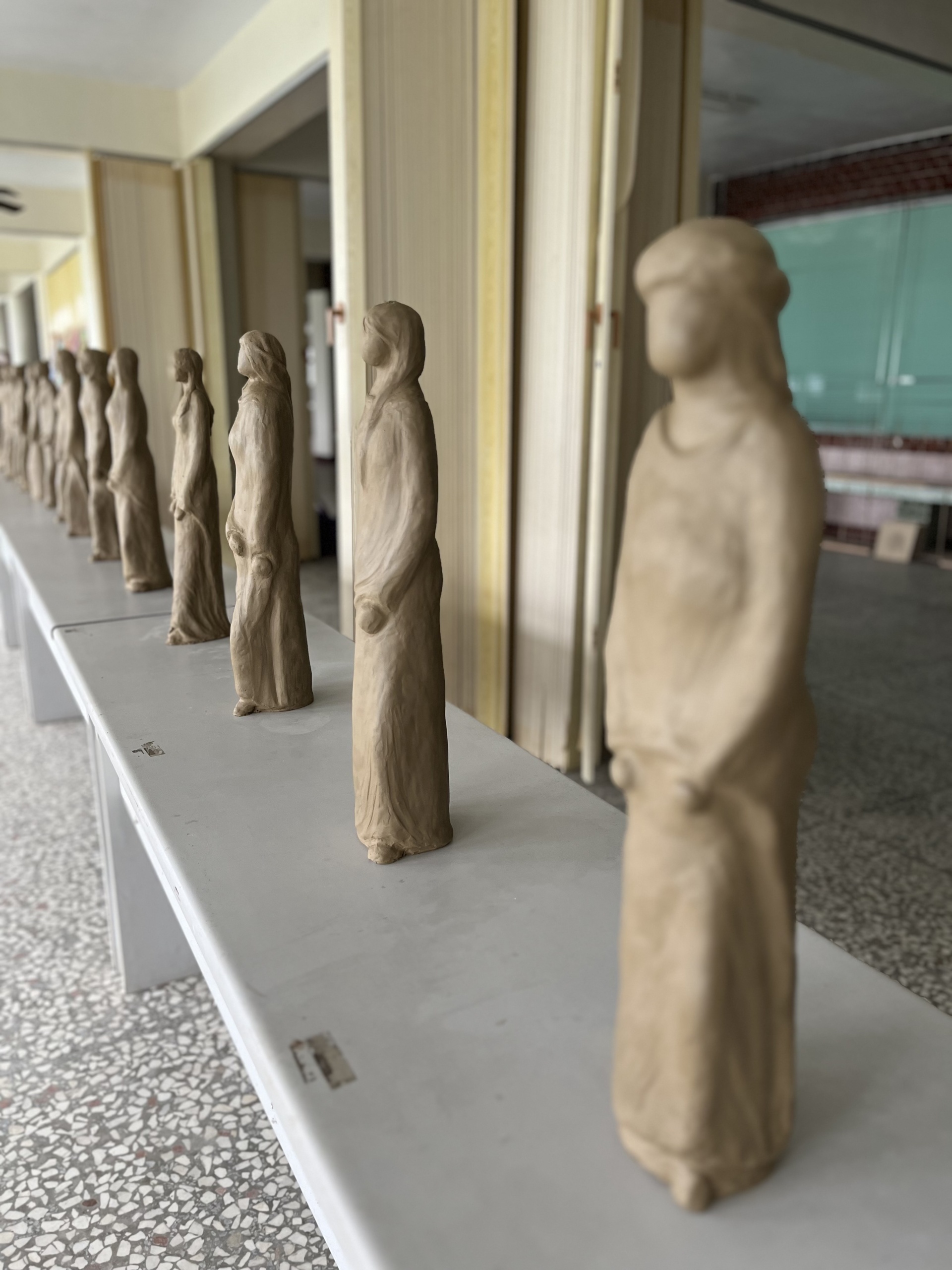
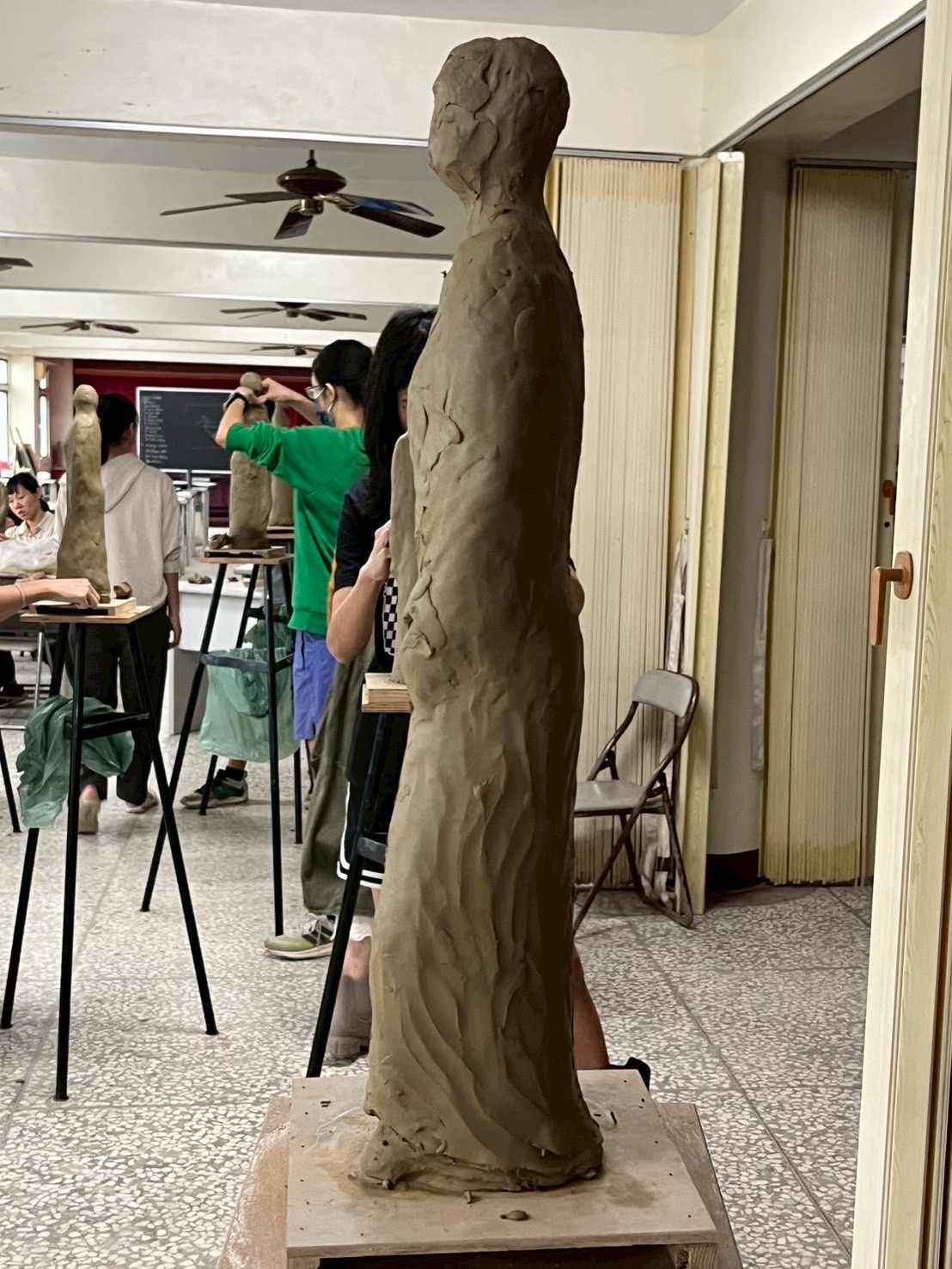
The artistic exercise was the highlight of this main lesson: each child had to shape a half-meter-tall statue of a Greek goddess using their own hands. As the elegant goddess figures gradually took form, an “upright human being” also grew within each child’s inner world, imbued with an elegant posture. This was the human quality of uprightness (Aufgerichtetheit), truly and fully experienced. Our children became upright human beings from within, and I deeply believe that this experience will accompany them as they mature into elegant, upright human beings outwardly as well.
Four weeks of classes—neither too long nor too short—were given a thoughtful extension by Teacher Martin. Most perspectives on art history center on Western development; however, how were different civilizations evolving around the world during those same periods? Living in the East, we indeed need to look back at the roots and development of Eastern art history. Thus, the curriculum turned toward the East at its destination. In contrast to the 14th–16th century Renaissance focus on precise depictions of the human body and space, contemporary Ming Dynasty ink paintings used just a few gentle, light strokes of landscapes and objects to convey an infinitely vast sense of space, where air and water flowed freely through the canvas. Through over ten colored pencil exercises, rigid historical records transformed into colors of the human soul. Rendered stroke by stroke onto paper, they were etched into the heart of every child…
Grade 11 Students
The materials prepared by the teacher were diverse—ranging from charcoal, colored pencils, and watercolors to oil pastels and clay. These were the tools we prepared and used as bridges to understand and guide the students.
Oriented toward the overall picture of human development, having journeyed through the Renaissance, it was now time to experience Impressionism. For Grade 11 students, the task was to practice faithfully translating the three-dimensional space before them onto a two-dimensional surface—a process that requires acute awareness so as not to be led astray by the brain’s preconceived “assumptions.”
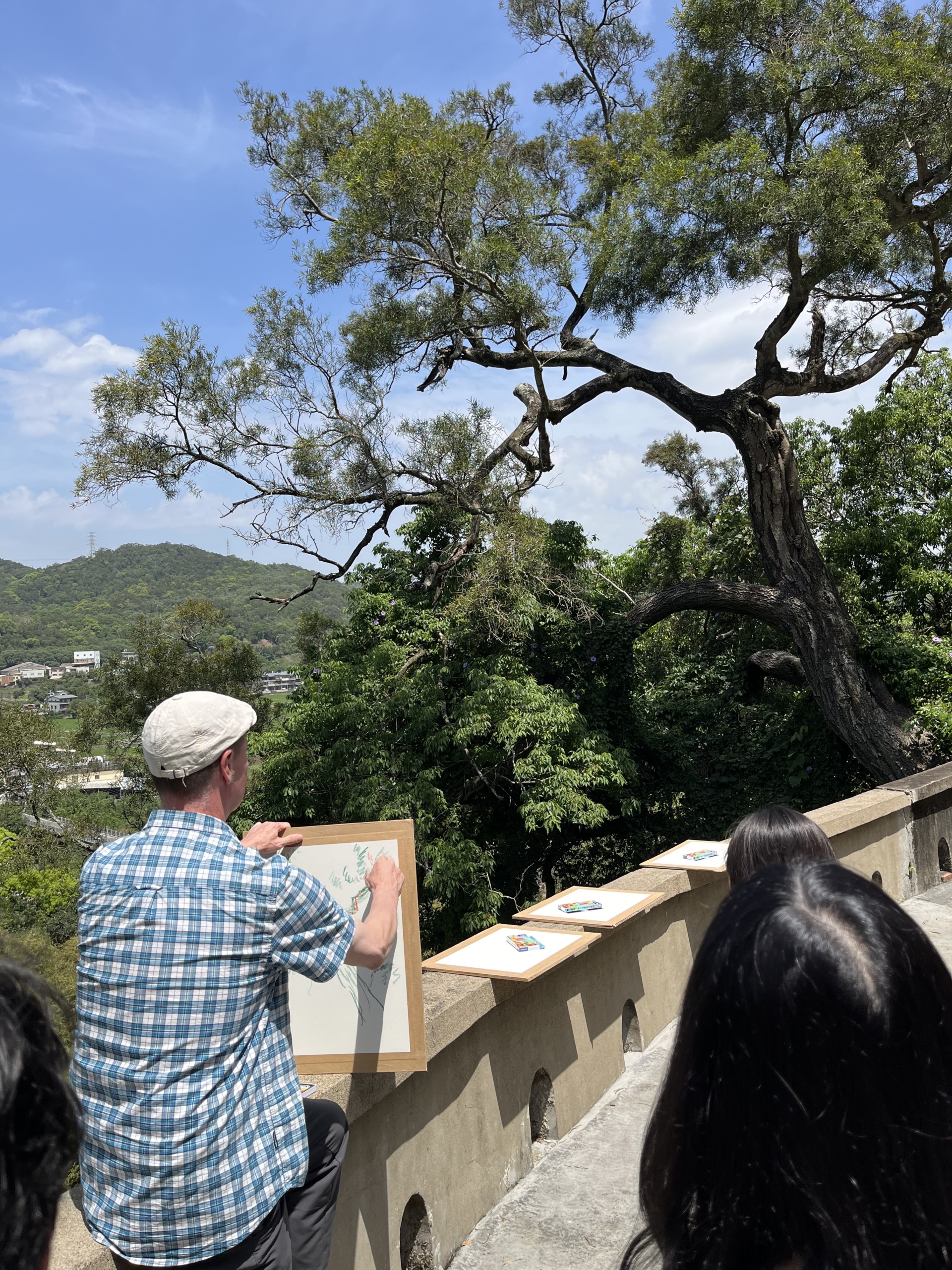
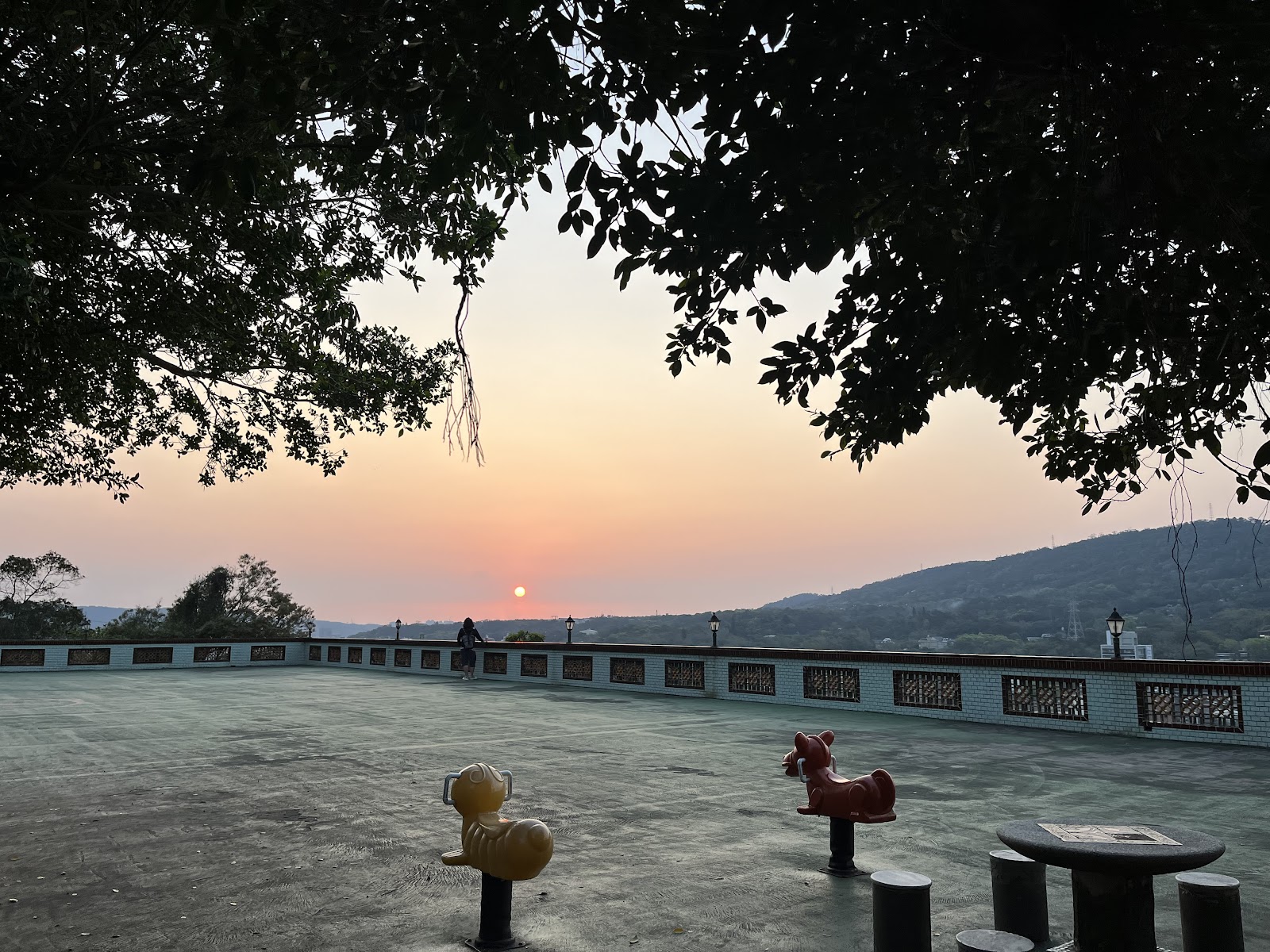
Blessed with our surroundings, we stood atop Lianhua Mountain—one of the Eight Scenic Spots of Hsinchu—overlooking distant mountain ranges, middle grounds of rolling rice paddies, and the vibrant spring blossoms blooming right before our eyes. We went outdoors for field sketching, using charcoal to practice quick gesture drawing and structure the scenes before us. Advancing step by step, we moved on to colored pencils and then to watercolors using Impressionist techniques, instantly bringing each scene to vivid life.
Did it end there? No—the students were encouraged to challenge themselves even more courageously and boldly! We moved toward Expressionism. The exact same tree evokes a unique inner resonance in each person. We practiced using rich, expressive colors to convey the atmosphere of the moment, the essence of the tree, and the inner landscape of each individual. Every single artwork was remarkably brilliant.
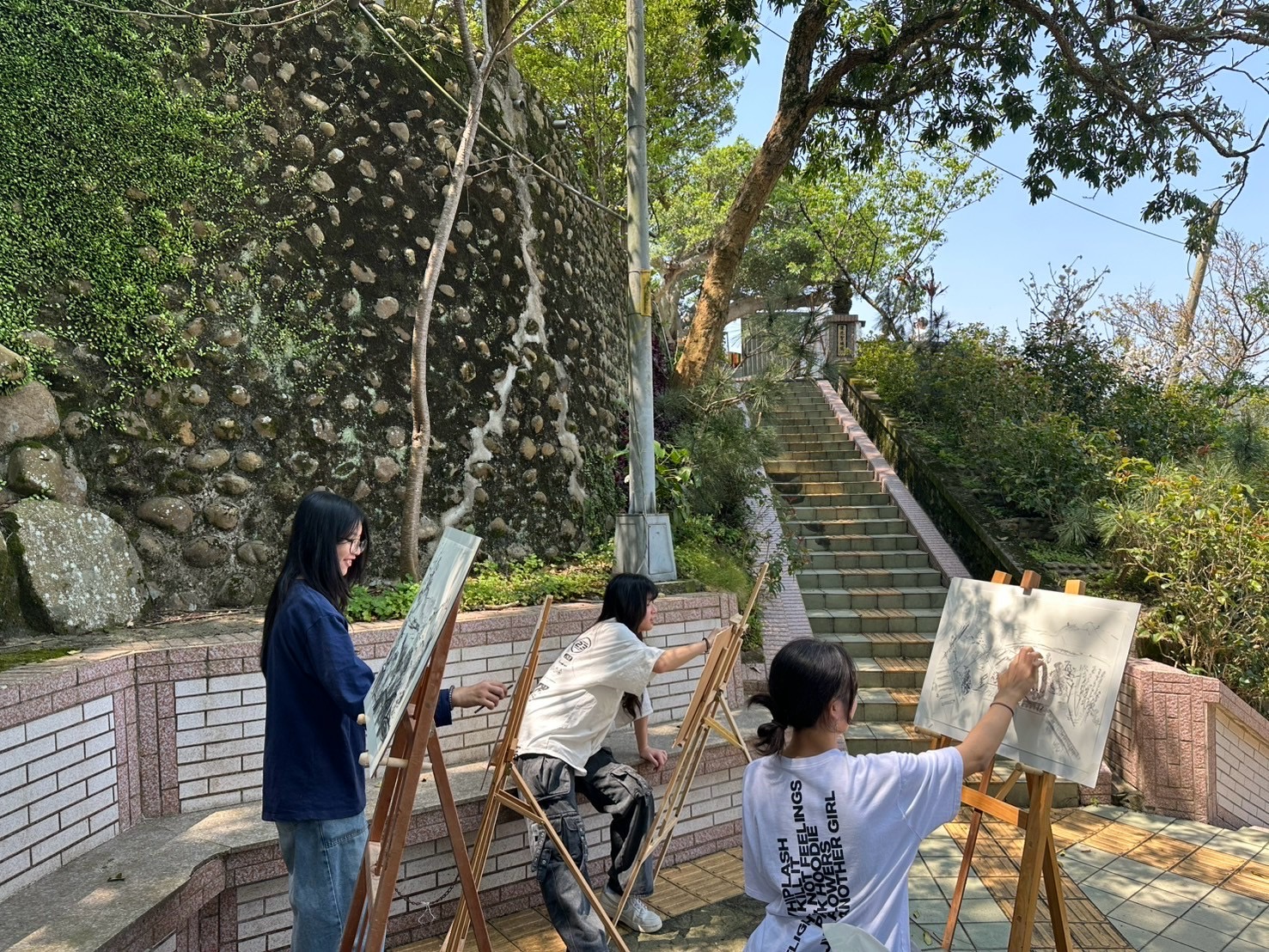
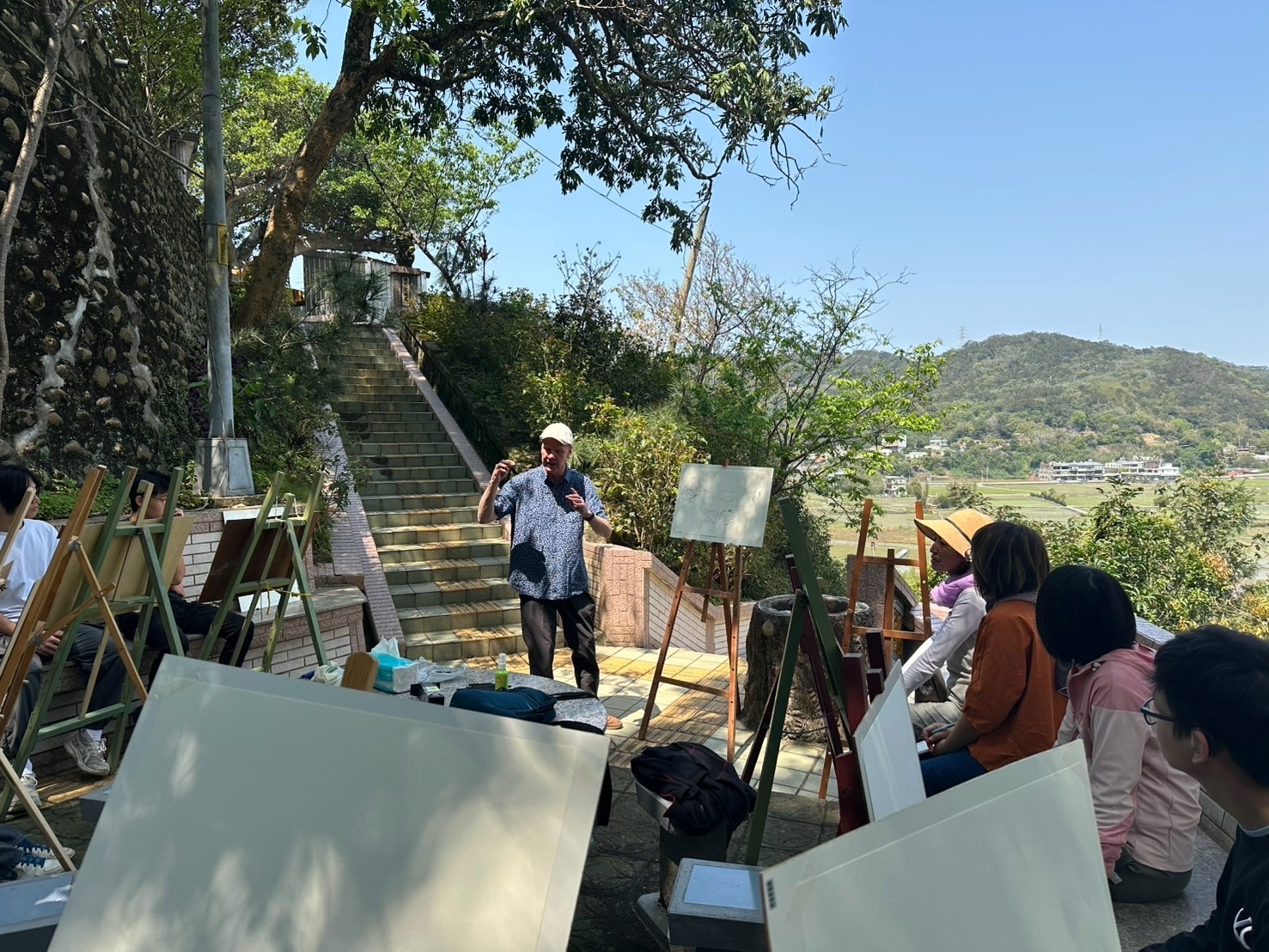

Grade 12: Young Adults
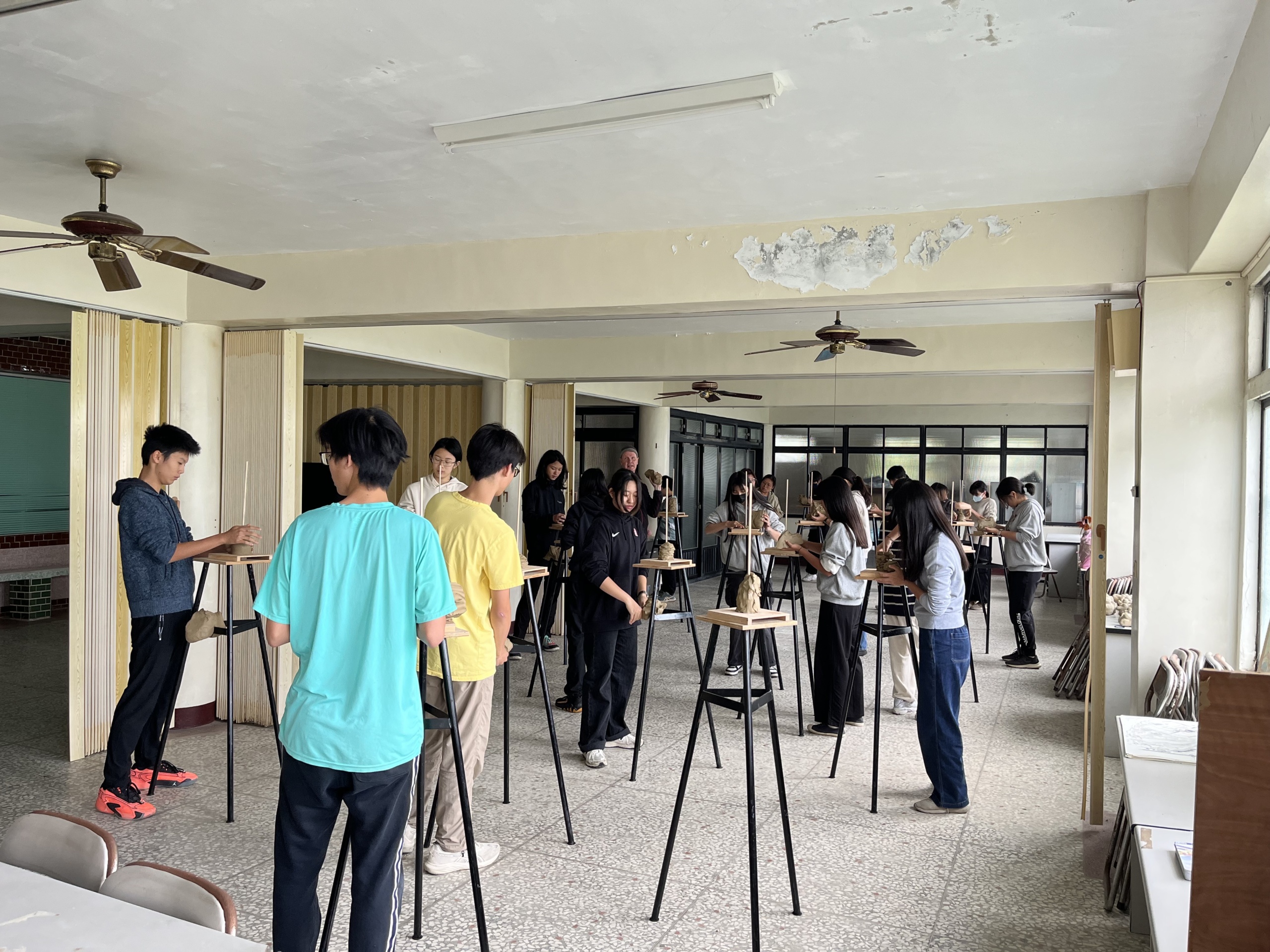
From the very beginning, they were treated as adults. With a fully developed capacity to comprehend three-dimensional space, they were ready to take on this challenge. And the human head—a micro-cosmos of intricate, continuous form and nuance—served as our starting point.
Beginning with the simple act of adding and removing clay, we practiced in the manner of cosmic sculpting. Standing on their feet, the students built up substantial heads weighing over ten kilograms. This process demanded immense strength of will and keen powers of observation: moving from the ability to truly “perceive” to bringing form into “physical manifestation” via their own hands for the world to see. Even though everyone shared the same foundation and received the same guidance from the teacher, every single head grew into its own unique personality!
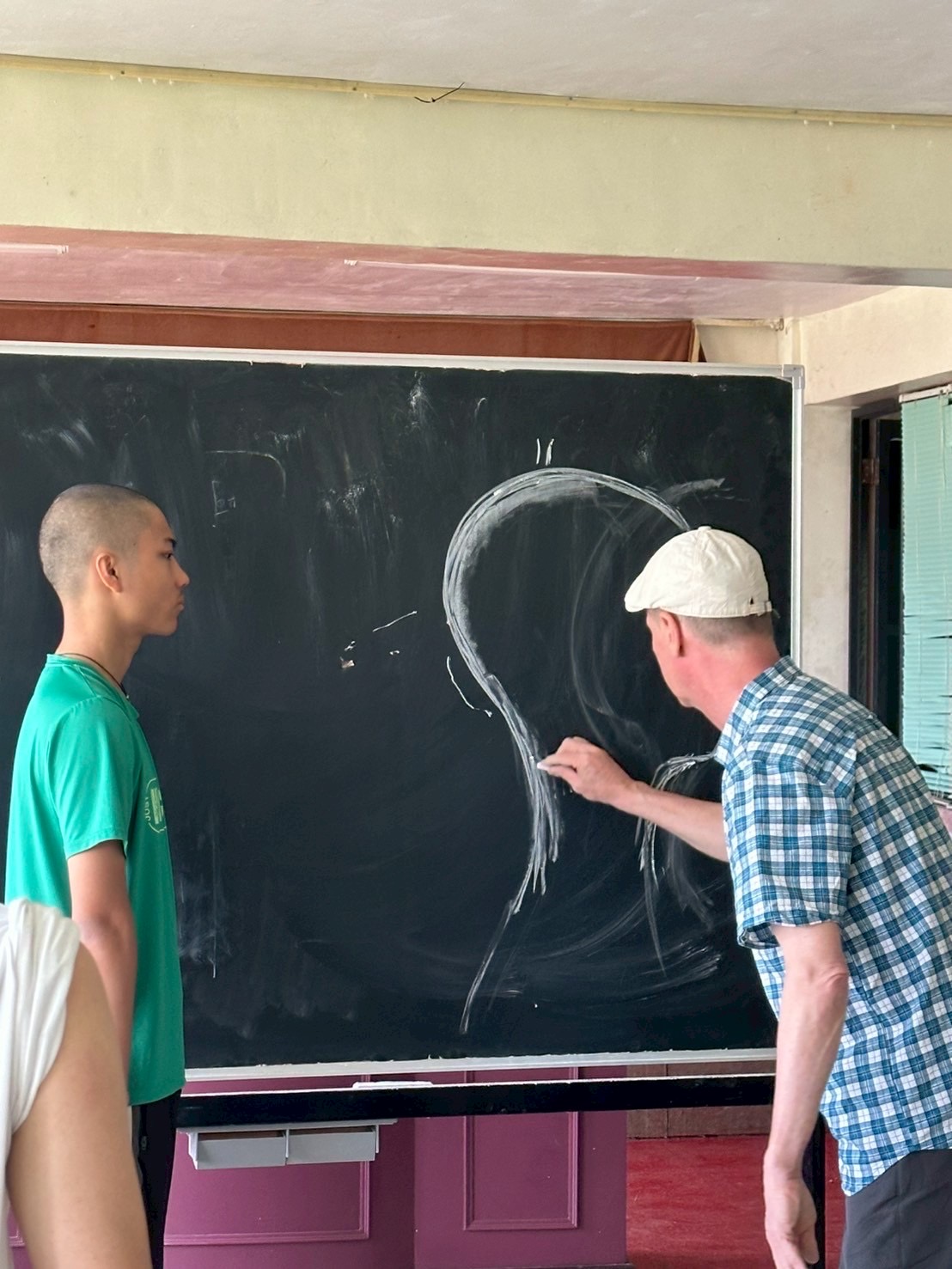
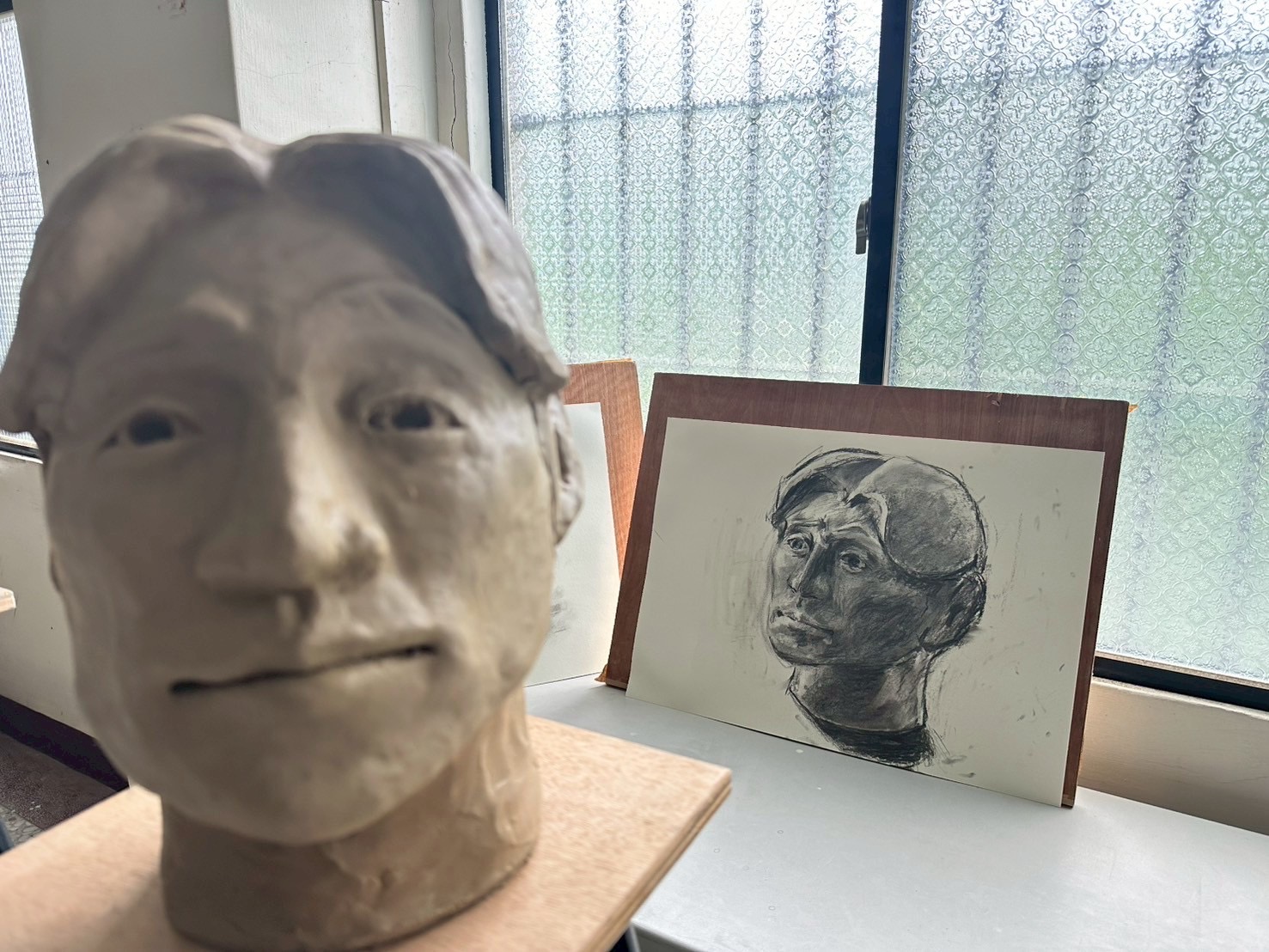
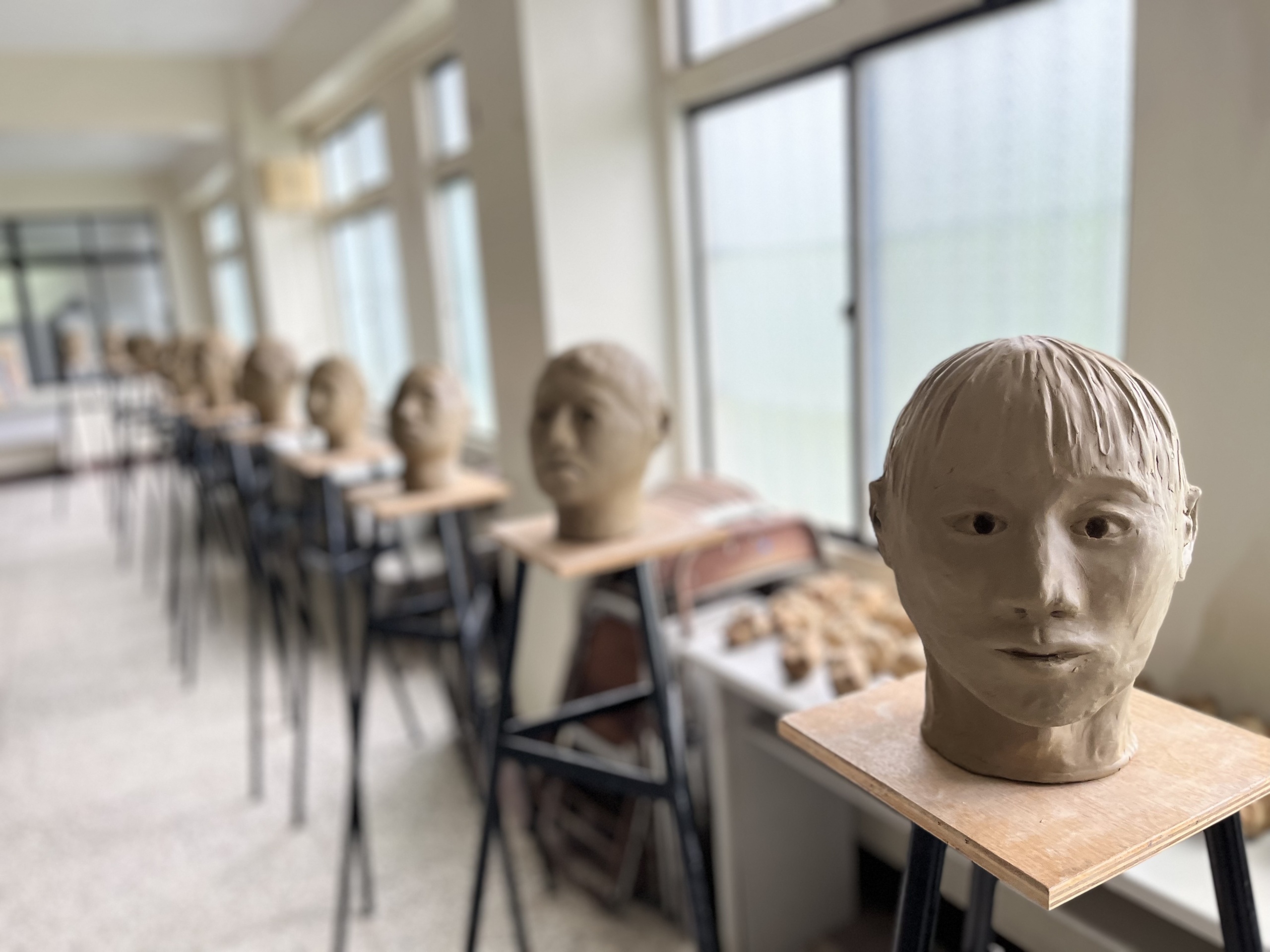
The realm of art extends far beyond the exercises we have undertaken thus far; music and drama will also form vital domains within the high school artistic curriculum. The discipline we engaged in here belongs to the sphere of visual arts, representing the most foundational training.
The artistic process is an operation of the soul-feeling (Seelenleben), integrating what is known in our intellect and expressing it through the movement of our limbs—bridging thinking and will. Through art, a human being is enabled to become a harmoniously balanced individual in whom thinking, feeling, and willing work in unison.
This is precisely the purpose of Waldorf education: when we hold a shared, clear image and possess practical methods of implementation, what remains is for us to work together to unfold and deepen this artistic nourishment within the hearts of our children.
Our heartfelt gratitude goes to Teacher Martin for broadening our children’s artistic horizons, as well as to every team member who supported this journey. The mutual trust within our team and the willingness to step up and handle every challenge as it arose made these four weeks of artistic abundance a complete and fulfilling success!
All student artworks will be shared with everyone once again on School Anniversary Day, May 24th!
— Shared by Art Teacher Yi-Jing
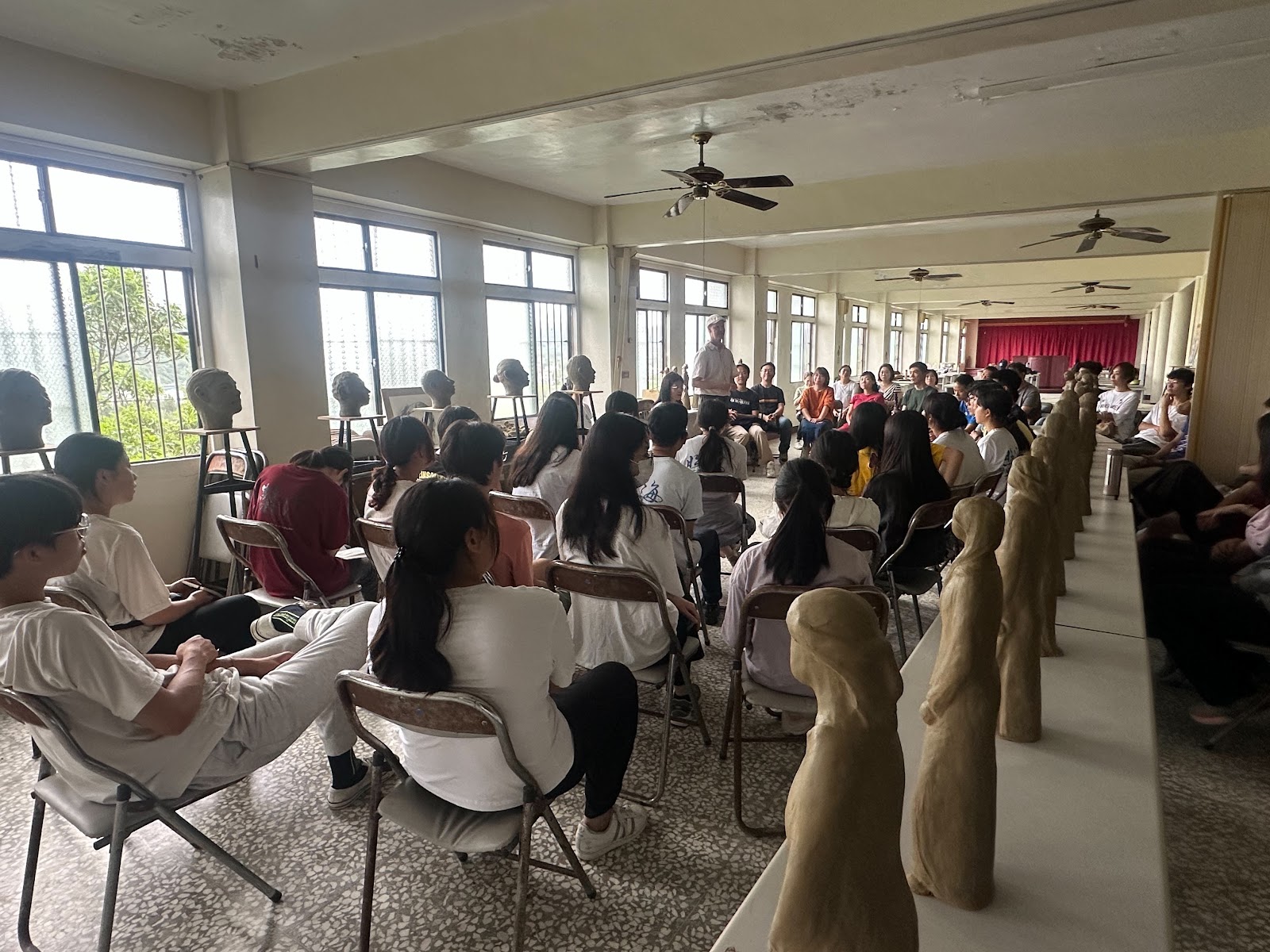
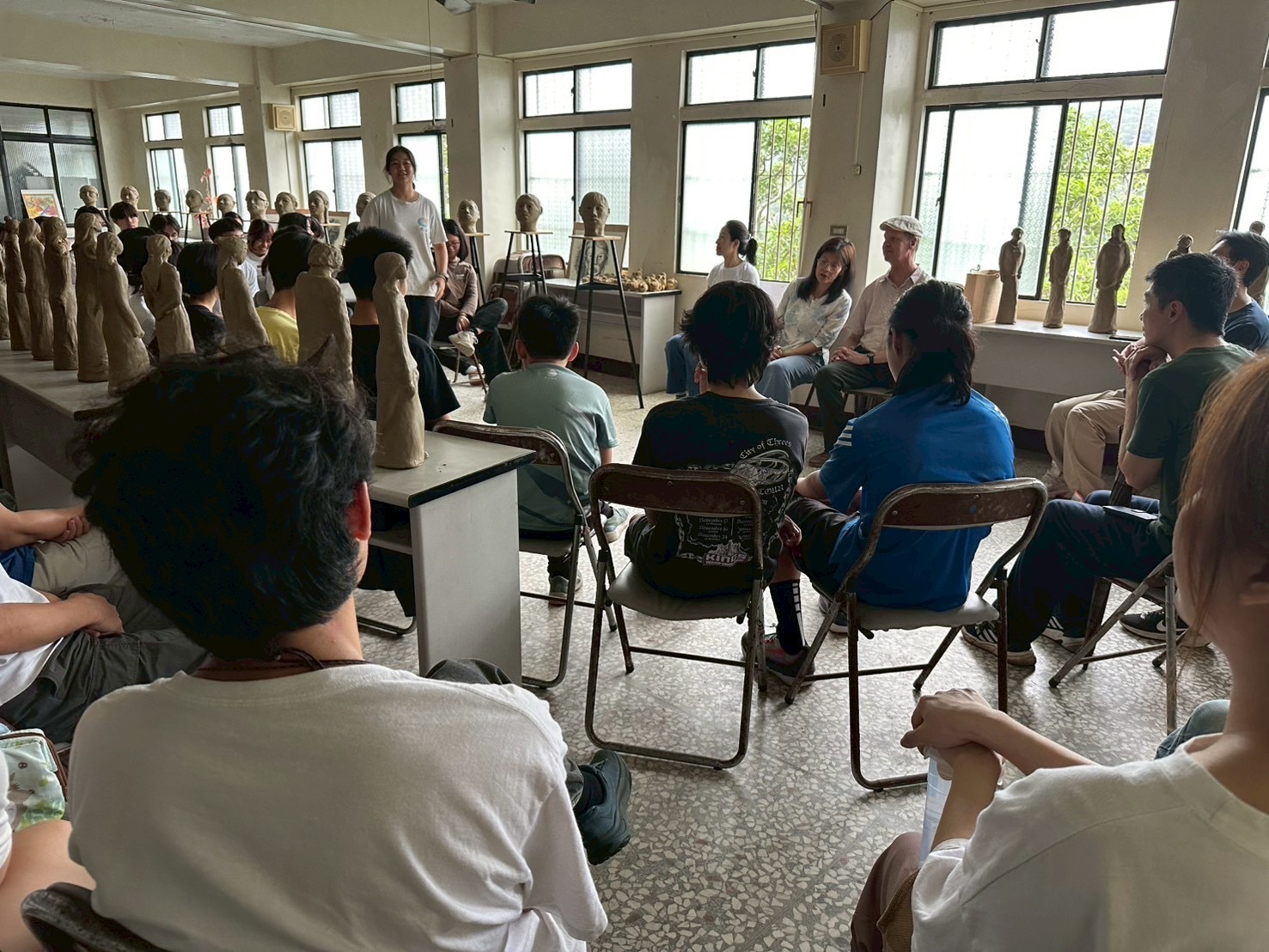
Instructor| Martin Gutjahr
Teaching Background:
2002–Present: Instructor for long- and short-term art workshops in countries including the United Kingdom, Italy, Germany, Austria, Switzerland, Taiwan, and South Korea.
2009–2017: Visiting Lecturer in the Sculpture and Visual Arts Department at Emerson College, UK.
2015–2025: Instructor for Grades 1–6 blackboard drawing courses, art history courses, parent art growth courses, and summer color deepening courses at Qinghe Waldorf School
2023–Present: Art Consultant Teacher at Yuguang Waldorf High School
Has also served as an art workshop instructor for Waldorf teacher training programs in the regions of Austria and Slovenia, and taught for seven years at the Waldorf School in Graz, Austria.